Seeking reliable ways to manage stress, recover after intense workouts, or boost relaxation can feel overwhelming with so many wellness options out there. Flotation therapy stands out by delivering both immediate calm and long-term health benefits, from reducing anxiety to speeding up athletic recovery. Scientific research confirms that experiences like sensory deprivation pods and open float pools promote deep relaxation, enhance muscle repair, and support psychological well-being.
Curious how different floatation methods can transform your physical comfort and peace of mind? Discover practical approaches, expert-backed recovery tips, and unique session styles designed for your relaxation and wellness success. Get ready to find the floatation experience that fits your needs best.
Quick Summary
| Takeaway | Explanation |
|---|---|
| 1\. Immerse in sensory deprivation for deep relaxation | Traditional pods provide an environment for profound mental and physical restoration by minimising external stimuli. |
| 2\. Open float pools reduce anxiety | Open float environments offer greater comfort and less claustrophobia, making flotation therapy more accessible. |
| 3\. Couples sessions foster emotional connection | Floating together enhances intimacy and shared relaxation, amplifying both physical and psychological recovery. |
| 4\. Targeted therapy aids athletic recovery | Float therapy accelerates muscle healing and alleviates soreness, supporting athletes’ performance restoration. |
| 5\. Guided sessions enhance mental clarity | Combining flotation with guided meditation optimises cognitive benefits and facilitates deeper mental focus. |
1\. Traditional Sensory Deprivation Pod Experience
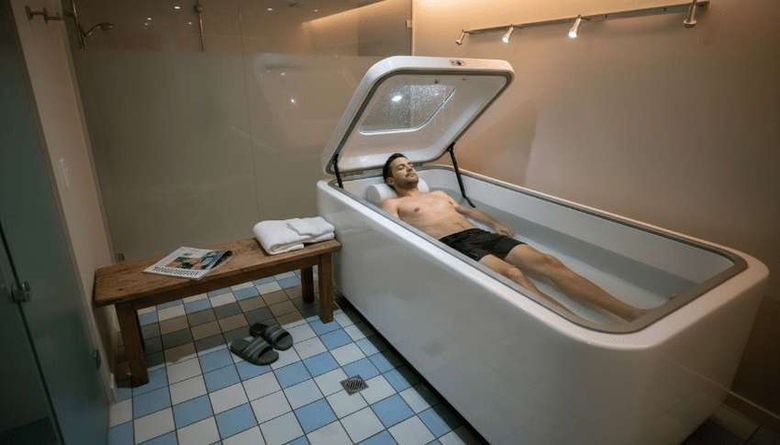
A traditional sensory deprivation pod represents the pinnacle of minimalistic relaxation technology, designed to provide an extraordinary journey into deep mental and physical restoration. By creating an environment of near-total perceptual isolation, these specialised flotation chambers offer an unparalleled pathway to profound tranquillity.
The fundamental mechanism of a traditional sensory deprivation pod involves several critical design elements:
- Epsom salt-saturated water maintained at skin temperature
- Soundproof and lightproof enclosure
- Body-temperature water allowing effortless floating
- Precise environmental control minimising external stimuli
Participants enter a pod filled with highly concentrated saltwater solution, enabling near-weightless suspension. The water temperature matches human skin temperature (approximately 35.5°C), effectively eliminating the sensation of physical boundaries between body and environment.
Sensory deprivation creates a unique neurological state where the brain transitions from its typical hyperactive processing mode to a deeply restorative condition.
The physiological benefits of this experience are remarkably comprehensive. Stress hormones dramatically reduce during a flotation session, while the nervous system enters a state of profound relaxation. Research indicates that these pods can induce meditative brain wave patterns similar to deep meditation, without requiring years of practice.
Practically speaking, a typical session lasts between 60 to 90 minutes, during which individuals float effortlessly, experiencing minimal sensory input. The high salt concentration ensures complete buoyancy, allowing complete muscular and mental relaxation.
_Pro tip:_ _For first-time floaters, start with shorter 30-minute sessions to acclimate to the unique sensory environment and gradually increase duration as comfort levels improve._
2\. Open Float Pools for Enhanced Comfort
Open float pools represent a revolutionary approach to floatation therapy that prioritises accessibility and psychological comfort for participants seeking holistic relaxation. Unlike traditional enclosed pods, these expansive aquatic environments offer a more liberating and less confined therapeutic experience.
The key distinguishing features of open float pools include:
- Wider physical spaces with unrestricted movement
- Natural light and ventilation options
- Reduced claustrophobic sensations
- Greater psychological ease for first-time floaters
Inexperienced water users can successfully navigate flotation techniques when provided with appropriate design and coaching. The University of Portsmouth’s research highlights that open environments can significantly enhance user confidence and comfort during flotation experiences.
Open float pools transform sensory deprivation from an intimidating concept into an inviting wellness practice.
Physiological benefits remain consistent with traditional flotation methods. The high salt concentration ensures complete buoyancy, allowing muscles to relax and nervous system stress to diminish. However, the open design introduces additional psychological advantages by reducing potential anxiety associated with enclosed spaces.
Individuals who might feel apprehensive about traditional pods will find open float pools far more approachable. The expanded spatial design allows users to maintain a sense of control while still experiencing the profound relaxation associated with flotation therapy.
_Pro tip:_ _Begin your open float pool experience by exploring the space gradually, allowing yourself to acclimate to the environment and discover your most comfortable floating position._
3\. Couples Floatation Sessions for Shared Relaxation
Couples floatation therapy offers a unique opportunity to experience deep relaxation and connection simultaneously, transforming traditional wellness practices into a shared intimate journey of tranquillity. These specialised sessions provide partners with an extraordinary method to synchronise their mental and physical recovery while strengthening their emotional bond.
The key advantages of couples floatation sessions include:
- Simultaneous stress reduction for both partners
- Shared meditative experience
- Enhanced emotional intimacy
- Parallel physiological relaxation responses
- Mutual wellness investment
Neurological synchronisation occurs during these sessions as couples experience identical environmental stimuli. Shared relaxation techniques enable partners to enter complementary meditative states, potentially deepening their interpersonal connection.
Couples floatation represents more than a wellness activity. It is a profound shared journey of mental and emotional restoration.
Practically, these sessions typically involve two adjacent flotation environments allowing individual experiences while maintaining a sense of proximity. Partners can choose between completely separate pods or more connected open float pool configurations that permit gentle physical contact if desired.
The physiological benefits mirror individual floatation experiences - reduced cortisol levels, decreased muscle tension, and enhanced mental clarity. However, the psychological benefits are uniquely amplified through the shared experience of profound relaxation.
_Pro tip:_ _Discuss your individual relaxation expectations and comfort levels before the session to ensure a harmonious and mutually enjoyable flotation experience._
4\. Targeted Athletic Recovery Float Therapy
Targeted athletic recovery float therapy represents a cutting-edge approach to performance restoration, offering professional and amateur athletes a scientifically validated method for accelerating physical and mental recuperation. This specialised floatation technique goes far beyond traditional recovery strategies by creating an optimal environment for comprehensive physiological healing.
Key benefits for athletes include:
- Rapid muscle tissue repair
- Reduced inflammation
- Enhanced neurological recovery
- Improved sleep quality
- Psychological stress reduction
Floatation therapy demonstrates significant athletic recovery benefits by providing a unique environment that minimises external stimuli while supporting the body’s natural regeneration processes. The high-concentration Epsom salt solution enables near-weightless suspension, dramatically reducing muscular and skeletal stress.
Athletic recovery is not just about physical healing but creating a holistic restoration experience for mind and body.
Physiological mechanisms of recovery operate through multiple pathways during float sessions. The weightless environment removes gravitational pressure from joints and muscles, allowing deep tissue relaxation. Simultaneously, magnesium absorption through the skin helps reduce muscle soreness and supports cellular repair mechanisms.
Professional athletes typically incorporate targeted float therapy into their recovery protocols following intense training sessions or competitive events. The controlled environment allows precise management of recovery variables, enabling more strategic rehabilitation approaches.
_Pro tip:_ _Schedule your float therapy session within 24 hours post-training for optimal muscle recovery and inflammation reduction._
5\. Contrast Float Therapy with Heat and Cold Exposure
Contrast float therapy represents a sophisticated recovery protocol that strategically alternates between extreme temperature environments to stimulate profound physiological responses. By deliberately transitioning between heat and cold, this innovative technique triggers a cascade of healing mechanisms that accelerate recovery and enhance overall wellness.
Key physiological benefits include:
- Enhanced circulatory function
- Reduced muscle inflammation
- Accelerated metabolic recovery
- Improved immune system response
- Neurological stress reduction
Musculoskeletal pain management techniques demonstrate remarkable potential through systematic heat and cold exposure. The therapy combines cryotherapy and thermotherapy in precise alternating cycles to optimise bodily recovery processes.
Contrast therapy transforms passive recovery into an active, strategic healing intervention.
Thermal shock response occurs when the body experiences rapid temperature fluctuations. In a typical contrast float therapy session, participants might transition between a 7°C cold plunge pool and a 42°C infrared sauna, creating a powerful physiological reset mechanism.
The methodology follows a carefully structured protocol. Participants begin with heat exposure to dilate blood vessels, followed by cold immersion to constrict those same vessels. This rhythmic vascular manipulation stimulates circulation, reduces inflammation, and accelerates metabolic waste removal.
_Pro tip:_ _Start with shorter temperature transitions and gradually increase duration as your body adapts to the thermal stress._
6\. Guided Meditation Float Sessions for Mental Performance
Guided meditation float sessions represent a sophisticated approach to mental conditioning and cognitive enhancement, merging the profound stillness of sensory deprivation with structured mindfulness techniques. These specialised sessions transform traditional meditation practices by leveraging the unique neurological environment of flotation environments.
Key advantages of guided meditation float sessions include:
- Accelerated brain wave state transitions
- Deep subconscious access
- Enhanced neuroplasticity
- Reduced cognitive stress
- Improved mental clarity
The session typically involves exploring transformative meditative states through professionally curated audio guidance delivered via waterproof headphones. Participants are systematically led through breathing techniques, visualisation exercises, and progressive relaxation protocols.
Guided meditation float sessions transcend traditional mindfulness practices by creating an ultra-immersive neurological reset environment.
Neurological performance enhancement occurs through precise manipulation of environmental stimuli. The weightless, soundproof, and lightless float environment eliminates external distractions, allowing practitioners to achieve meditative states typically requiring years of dedicated practice.
Professional practitioners design these sessions to target specific cognitive outcomes such as stress reduction, creative problem-solving, and performance optimisation. The combination of sensory isolation and structured guidance creates a powerful mental conditioning platform.
_Pro tip:_ _Select guided meditation sessions that align with your specific mental performance goals, whether that involves stress reduction, creativity enhancement, or cognitive clarity._
Below is a comprehensive table summarising the various floatation therapy techniques and innovations discussed in the article.
| Therapy Type | Core Features | Key Advantages |
|---|---|---|
| Traditional Sensory Deprivation | Enclosed, soundproof and lightproof pods; salt-saturated water at skin temperature. | Substantial stress relief, meditative brainwave induction. |
| Open Float Pools | Spacious, open designs with natural light and ventilation options. | Reduced claustrophobia, accessibility for new users. |
| Couples Floatation | Sessions in paired environments for shared experiences. | Strengthening of emotional bonds and mutual relaxation. |
| Athletic Recovery | Float therapy targeted at physical and muscular recovery. | Accelerates healing, reduces inflammation, improves rest. |
| Contrast Float Therapy | Combines heat and cold exposure for recovery. | Enhanced circulation and immune response through thermal stimuli. |
| Guided Meditation Floats | Utilises audio guidance during flotation for mental benefits. | Improves focus, reduces cognitive stress, fosters creativity. |
This table condenses the techniques, features, and benefits presented in the source article.
Discover Tailored Floatation Therapy Solutions for Complete Recovery and Calm
The article highlights the challenges of achieving deep mental and physical restoration through different types of floatation therapy and contrast methods. If you are seeking relief from stress, anxiety, inflammation, or muscle fatigue, you understand how crucial precise environmental control and specialised therapies are in accelerating recovery and enhancing emotional wellness. Key goals such as stress hormone reduction, enhanced neuroplasticity, and athletic recovery require a comprehensive approach that balances sensory deprivation, guided meditation, and innovative heat and cold exposure.
At Float Therapy Wilmslow, we offer a premium sanctuary designed specifically to address these needs. Our advanced sensory deprivation pods provide the ideal setting for deep meditative stillness, while our dedicated contrast therapy suite—including a 7°C cold plunge pool and high-performance infrared sauna—supports accelerated muscle repair and inflammation reduction. By combining expert floatation and specialised contrast therapy you can experience profound relaxation, superior cognitive clarity, and holistic physical restoration in a luxury environment tailored for your wellness journey.
Ready to elevate your recovery and mental calm today Visit <index.html> to explore our services and book your personalised session. Start with a sensory isolation float or challenge yourself with contrast therapy for an invigorated and balanced body and mind. Your path to peak recovery and renewed calm begins here.
Frequently Asked Questions
What are the main types of floatation therapy for recovery and relaxation?
Traditional sensory deprivation pods, open float pools, couples floatation sessions, targeted athletic recovery float therapy, contrast float therapy, and guided meditation float sessions are the six main types. Each type offers unique experiences and benefits tailored for relaxation, athletic recovery, or improved mental performance.
How do I prepare for my first floatation therapy session?
To prepare, arrive hydrated, wear comfortable swimwear, and avoid heavy meals before your session. Start with a shorter session of about 30 minutes to get acclimatised to the floating experience before gradually increasing the duration.
How can floatation therapy aid in athletic recovery?
Floatation therapy helps in athletic recovery by providing a weightless environment that reduces muscle stress and accelerates tissue repair. Schedule a session within 24 hours post-training to optimise recovery and reduce inflammation.
Can guided meditation float sessions improve mental performance?
Yes, guided meditation float sessions can enhance mental performance by helping individuals achieve deep meditative states and reduce cognitive stress. Choose a session that targets your specific goals, such as creativity or clarity, to maximise your results.
What physiological benefits can I expect from contrast float therapy?
Contrast float therapy can enhance circulation, reduce muscle inflammation, and accelerate metabolic recovery. Start with shorter temperature transitions and gradually increase the duration to allow your body to adapt effectively.
Is floatation therapy safe for everyone?
In general, floatation therapy is safe for most individuals; however, those with certain medical conditions or sensory sensitivities should consult a healthcare professional beforehand. Assess your personal health and comfort levels to ensure a positive experience during the session.