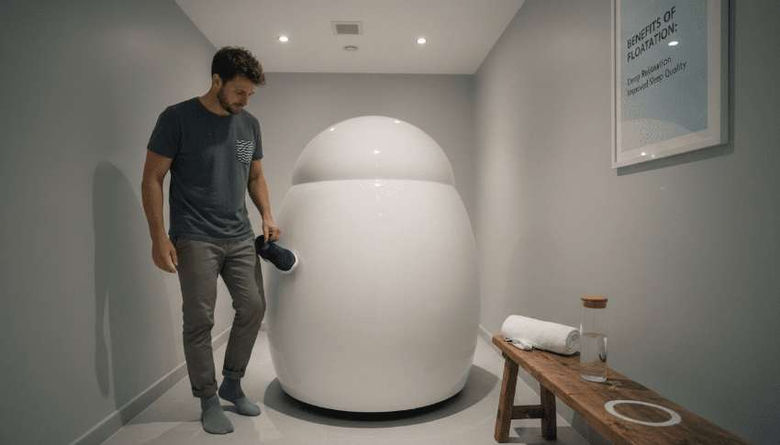
Long days at the office or on the pitch can leave both mind and muscles tense, craving deeper relief than typical rest delivers. In fast-paced Greater Manchester, stress, anxiety, and physical demands take their toll, making it essential to find recovery that goes beyond the ordinary. Discover how sensory deprivation therapy creates an environment for true nervous system reset and deep relaxation , giving you a focused edge in both performance and wellbeing.
Quick Summary
| Key Insight | Explanation |
|---|---|
| 1\. Prepare Mental State Before Float | Understand your sensory profile and set an intention to maximise relaxation during the sensory deprivation experience. |
| 2\. Proper Pre-Session Rituals | Avoid caffeine, strenuous exercise, and heavy meals before your session to ensure comfort and allow your nervous system to relax. |
| 3\. Focus on Your Breath | During the float, practise mindful breathing to promote deep relaxation and help you anchor your mind in the present moment. |
| 4\. Evaluate Post-Session Effects | After your float, assess mental clarity, mood, and physical sensations to track the benefits of sensory deprivation therapy. |
| 5\. Schedule Regular Sessions | Consistency in float therapy sessions enhances cumulative benefits, so book your next session while the experience is fresh in your memory. |
Step 1: Prepare Your Mind and Body for Sensory Deprivation
Sensory deprivation works best when you arrive with intention and awareness. Your body and mind need gradual preparation to fully benefit from the reduced sensory environment. Let’s walk through how to ready yourself for this transformative experience.
Start by understanding your own sensory profile. Consider which sensations normally calm you—soft textures, gentle sounds, or complete silence. Think about environments where you feel most relaxed. This self-awareness helps you mentally prepare for the float pod, where external stimuli fade away entirely.
Physical preparation matters just as much. Avoid heavy meals 1–2 hours before your session. They can cause discomfort when lying still in the float tank. Stay hydrated throughout the day, but ease off water intake 30 minutes beforehand to avoid unnecessary interruptions.
Your mental state shapes the entire experience. Understanding how sensory deprivation therapy works helps you know what to expect—your brain will naturally relax, and you may experience vivid thoughts or sensations as external noise quiets. This is normal. Some people find anxiety or unusual mental activity in early sessions; this typically passes as your nervous system acclimates.
Take these practical steps before arrival:
- Remove caffeine 3–4 hours beforehand to calm your nervous system
- Avoid intense exercise immediately before floating
- Practice deep breathing for 5 minutes to centre yourself
- Set a simple intention: stress relief, physical recovery, or mental clarity
- Wear comfortable, loose clothing to your appointment
Arrive 10–15 minutes early. This buffer time lets you transition mentally from the outside world. You’ll move through the facility at your own pace, adjusting to the quiet, controlled environment before entering the pod.
Your body may experience mild sensations during the first float. The medical-grade Epsom salt solution feels different at first. Your skin adjusts within minutes as you recognise the buoyancy is completely safe and supportive.
Preparation isn’t just physical—it’s about creating permission for your mind to truly rest without distraction or obligation.
_Pro tip:_ _Write down three specific things you want to release or achieve during this float, then leave that list behind in the lounge. This simple act signals to your brain that you’re ready to let go, making the sensory-reduced environment feel purposeful rather than overwhelming._
Here’s how sensory deprivation differs from everyday relaxation methods:
| Aspect | Sensory Deprivation Pod | Standard Relaxation Methods |
|---|---|---|
| Sensory Input | Near-total reduction | Partial reduction |
| Environment Control | Completely controlled | Variable |
| Physical Buoyancy | Full support, zero effort | Regular seating or lying |
| Depth of Relaxation | Profound, nervous system reset | Moderate to deep |
| Creativity/Insight | Often enhanced | Variable |
| Distraction Risk | Extremely low | Higher |
Step 2: Set Up the Sensory Deprivation Pod Correctly
Once you’ve prepared yourself mentally and physically, the pod environment needs to be calibrated perfectly. Proper setup transforms the float tank from a simple pool into a therapeutic sanctuary. Your Float Therapy Wilmslow pod is already engineered for this, but understanding how it works helps you maximise your experience.
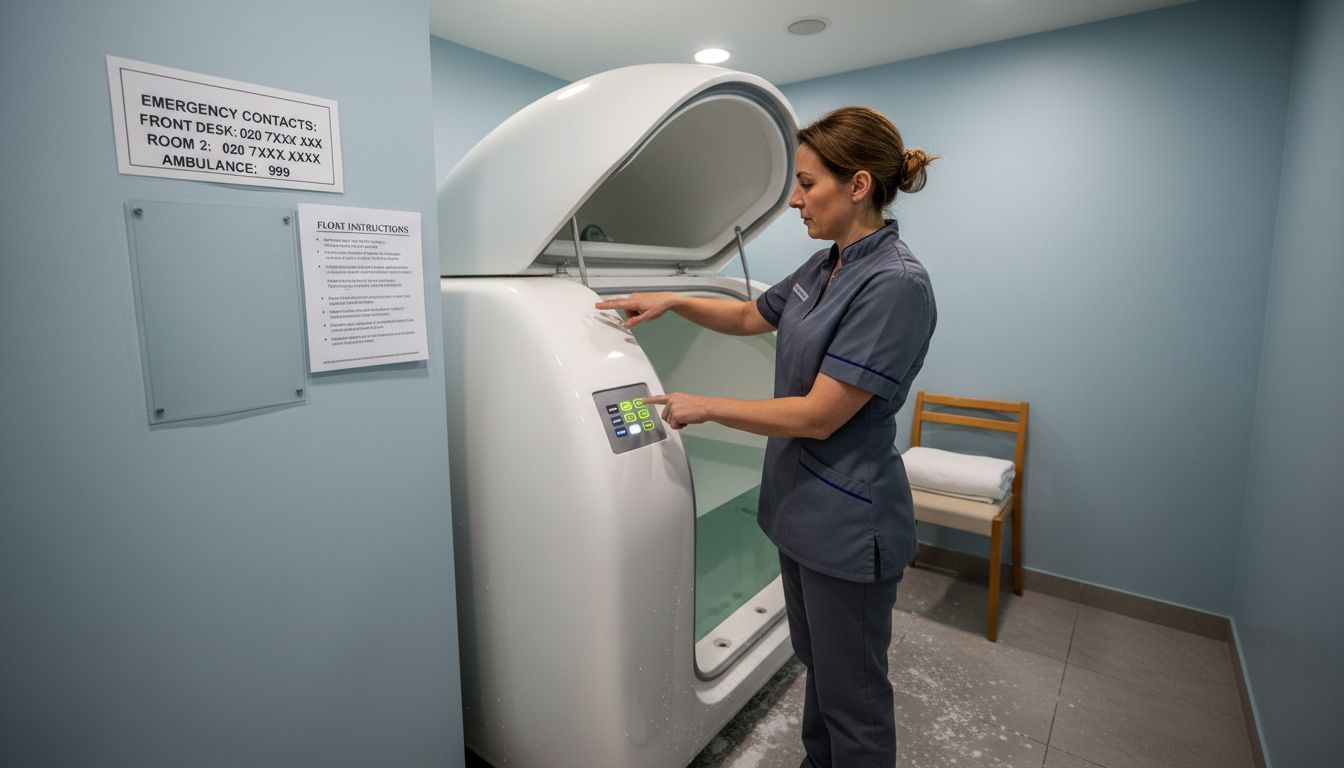
The pod’s water contains medical-grade Epsom salts dissolved to a precise concentration. This creates the buoyancy that lets you float effortlessly without any muscular effort. Temperature control maintains skin temperature, meaning the water neither feels hot nor cold—your body simply disappears into the experience.
When you enter the pod, check these key elements before settling in:
- The water level reaches your floating position when you lie back
- The pod door seals properly without forcing
- Interior lighting has been dimmed or switched to complete darkness
- Sound isolation is effective—external noise is minimal
- Air circulation is gentle and consistent
Your staff member will guide you through a brief orientation. They’ll show you where the light switch sits, how to exit if needed, and confirm you’re comfortable with the setup. Most importantly, they’ll explain that sensory deprivation pods minimise sensory input through pitch-black conditions and soundproofing, creating the ideal environment for deep relaxation.
Before lying back, rinse any shampoo or soap residue from your body. This prevents irritation when you contact the salt solution. Pat yourself mostly dry, then enter slowly. The Epsom salts will support you completely—there’s genuinely nothing to worry about.
Once horizontal, your body will float naturally. You’ll sink slightly until the salt concentration supports your weight. This takes seconds to adjust to, then becomes remarkably comfortable.
The pod setup isn’t just about isolation—it’s about creating conditions where your nervous system can finally stop working and simply rest.
_Pro tip:_ _If the pod feels overwhelming at first, keep the light on for the opening minutes whilst your nervous system adjusts. Gradually dim it as comfort increases—there’s no rush to darkness, and honouring your pace makes the experience restorative rather than stressful._
Step 3: Immerse Yourself and Optimise Float Session
You’re now in the pod with the door sealed and the world outside forgotten. This is where the real work begins—and by work, I mean complete relaxation. The next 60 minutes belong entirely to you, with one simple goal: let your nervous system reset.
Your first task is to settle into stillness. The saltwater supports your body perfectly, so there’s no need to adjust position constantly. Find a comfortable arm placement—either at your sides or resting on your chest—then stop moving. Physical stillness signals to your brain that it’s time to shift gears.
Once your body quiets, focus on your breath. Mindful breathing techniques help you disconnect from external distractions, allowing deeper relaxation to emerge. Breathe naturally through your nose, observing each inhale and exhale without trying to change the pattern. This anchors your mind in the present moment rather than racing through your to-do list.
Many people experience racing thoughts in the first 10-15 minutes. This is completely normal. Rather than fighting these thoughts, simply notice them and let them pass. Think of your mind as the sky and thoughts as clouds moving through it. You’re not trying to stop the clouds—just observing them drift by.
As your session progresses, several things may happen:
- Your mind may become completely quiet and peaceful
- You might experience vivid imagery or colours
- Your body may feel weightless or dissolve entirely
- Time may seem to stop or pass instantly
- Deep insights or creative ideas may surface
All of these responses are signs the sensory-reduced environment is working. Sensory deprivation therapy optimises relaxation by creating a carefully controlled stimulus-reduced space where your nervous system can finally release accumulated tension.
If anxiety arises, return to your breathing. The pod is completely safe, and you control the experience entirely. You can exit whenever you choose, though most people find that staying through the full session produces the deepest benefits.
As your time nears the end, you may feel a gentle alert signal. This indicates you have a few minutes remaining. Use this time to transition back to normal awareness rather than jolting awake suddenly.
The float session isn’t about achieving anything—it’s about allowing your mind and body to simply be without agenda or expectation.
_Pro tip:_ _Resist the urge to plan your next actions during the float. If important ideas emerge, trust they’ll remain accessible after your session ends. The goal is to create mental space, not to use the pod as a productivity tool—that’s what makes the recovery so complete._
Step 4: Complete Your Session and Evaluate Results
When your session ends, resist the temptation to rush. The transition back to normal sensory input matters as much as the float itself. You’re emerging from a deeply relaxed state, and honouring that shift maximises your recovery benefits.
Exit the pod slowly and deliberately. Your eyes will need a moment to adjust to light again. Move at a gentle pace towards the shower area. Take your time rinsing away the salt solution from your skin and hair using the facilities provided.
After showering, spend 10-15 minutes in our relaxation lounge before returning to the outside world. This gradual re-acclimation period allows your nervous system to integrate the profound relaxation you’ve just experienced. Sit quietly, sip water, and notice how your body feels without rushing anywhere.
Now comes the crucial part: evaluating your results. Post-session evaluation focuses on subjective improvements such as stress reduction and enhanced sleep quality, helping you understand what the float accomplished for you.
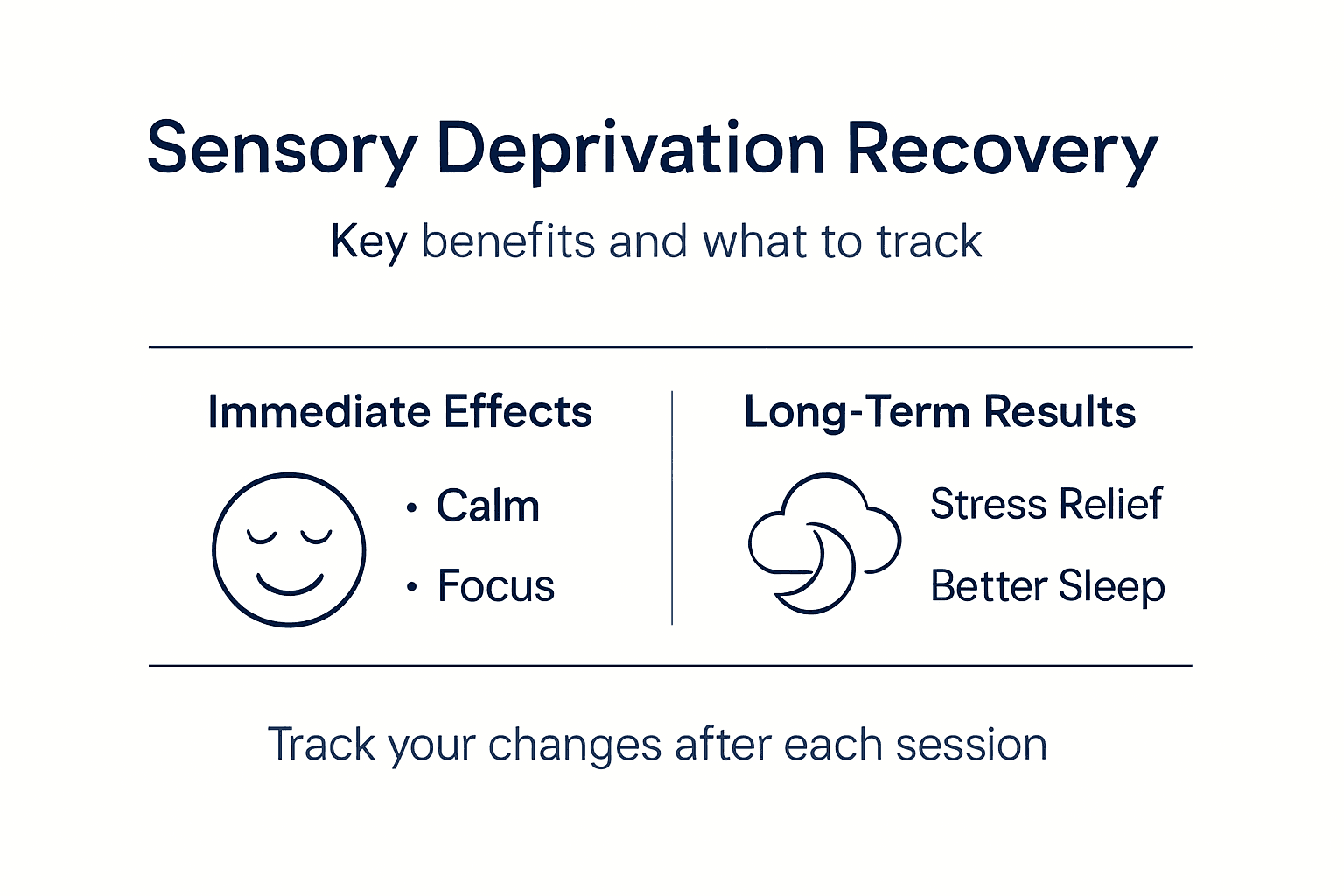
Below is a summary of common mental and physical responses during and after a float session:
| Response Type | During Session Example | After Session Example |
|---|---|---|
| Mental | Vivid imagery or calm mind | Enhanced clarity, new ideas |
| Physical | Weightlessness sensation | Lightness, deep relaxation |
| Emotional | Temporary anxiety possible | Improved mood, reduced stress |
| Sleep-Related | Feeling drowsy or energised | Improved sleep quality |
Notice these immediate responses:
- Mental clarity and focus compared to before your session
- Your mood and emotional state
- Physical sensations like lightness or deep relaxation
- Any unexpected thoughts or insights that surfaced
- Sleep quality that evening
Over the following days and weeks, track longer-term changes. Repeated exposure to sensory deprivation therapy produces cumulative benefits linked to reduced anxiety and depression, with improvements often becoming more pronounced across multiple sessions.
Keep brief notes about each float—this creates a personal record you can reference. Patterns often emerge after 3-4 sessions, revealing what specific benefits the pod provides for your unique body and mind.
Report any unusual responses to our staff. Most people experience nothing but deep relaxation, but if anxiety, disorientation, or physical discomfort persists beyond your session, mention this. We want every visit to leave you feeling genuinely restored.
The real measure of success isn’t what happened during the float—it’s how you feel and function in the days that follow.
_Pro tip:_ _Schedule your next float while you’re still in the lounge, when the benefits feel freshest. Research shows consistency matters more than single sessions, and booking while you’re motivated ensures you maintain the recovery routine that works._
Unlock True Relaxation and Recovery with Float Therapy Wilmslow
If you have ever struggled with persistent stress, anxiety or chronic pain, the expert guide to sensory deprivation pods highlights the need for a carefully prepared, immersive environment to experience profound nervous system reset and mental clarity. Many people face challenges such as difficulty reaching deep physical stillness, racing thoughts during sessions or uncertainty about how to maximise recovery benefits. At Float Therapy Wilmslow, we understand these pain points and deliver a sanctuary that addresses them entirely.
Our high-specification sensory deprivation pods filled with medical-grade Epsom salts create the perfect buoyant and pitch-black environment designed for gradual mental and physical adaptation as described in the guide. Alongside this, our professional contrast therapy suite featuring an infrared sauna and cold plunge pool accelerates inflammation reduction and physical recovery through expertly controlled heat-and-cold exposure. This combination ensures you not only float into deep meditative stillness but also emerge with renewed vitality and clearer mental focus.
Experience the expert-led recovery journey detailed in the article by visiting Float Therapy Wilmslow. Discover how our tailored sessions, private rooms and post-session relaxation lounge elevate your float therapy to the next level. Don’t wait to reset your nervous system and relieve stress in the ultimate wellness destination serving Wilmslow, Alderley Edge and Greater Manchester. Book your session now and embrace the transformative power of sensory deprivation combined with advanced recovery protocols at Float Therapy Wilmslow.
Frequently Asked Questions
How should I prepare mentally and physically before using a sensory deprivation pod?
To prepare for a sensory deprivation session, start by calming your mind and body. Avoid heavy meals and caffeine a few hours before your float, and practice deep breathing for five minutes to centre yourself. Aim to arrive 10–15 minutes early to transition into the calming environment.
What can I expect during my first float session in a sensory deprivation pod?
During your first session, you can expect to feel sensations of weightlessness and may experience racing thoughts initially. It’s important to embrace this process as part of the relaxation dynamic, allowing your mind to settle into stillness. Focus on your breathing and let thoughts drift by without judgement.
How does a sensory deprivation pod help with stress relief and recovery?
A sensory deprivation pod significantly reduces external stimuli, allowing your nervous system to reset and deeply relax. This environment can help lower stress, enhance mental clarity, and improve mood over time, with cumulative benefits often noticeable after several sessions. Track your feelings and experience consistency for optimal results.
What should I do immediately after my sensory deprivation session?
After your float, take your time to exit the pod and adjust to the light. Rinse off the salt solution and spend 10–15 minutes in the relaxation lounge to gradually re-acclimate before heading back to the outside world. Use this time to reflect on your experience and evaluate how you feel post-session.
How often should I use a sensory deprivation pod for the best results?
For optimal benefits, aim to float regularly—ideally every week or every few weeks. This consistency helps maintain a sense of relaxation and can lead to long-term improvements in stress and anxiety management. Many users start noticing noticeable changes after just three to four sessions.
Can I customise my sensory deprivation experience in the pod?
Yes, you can customise your experience by adjusting factors such as lighting and sound. Most pods allow you to choose between complete darkness and dim light, as well as silence or gentle music initially. Experiment with these settings to find what helps you feel most comfortable and supported during your float.